Transforming Philanthropy in the Global South
Philanthropy Dialogues is a platform formed and led by women practitioners from Africa, Asia, and Latin America. We come together to explore, learn, and experiment with new ways of working in philanthropy.
Our work focuses on strategic giving guided by people and communities. We want to build trust and shift power toward a more balanced and resilient philanthropic ecosystem.
We are now excited about...
A nine-month global learning journey
to experiment with new ways of resourcing community-led climate action
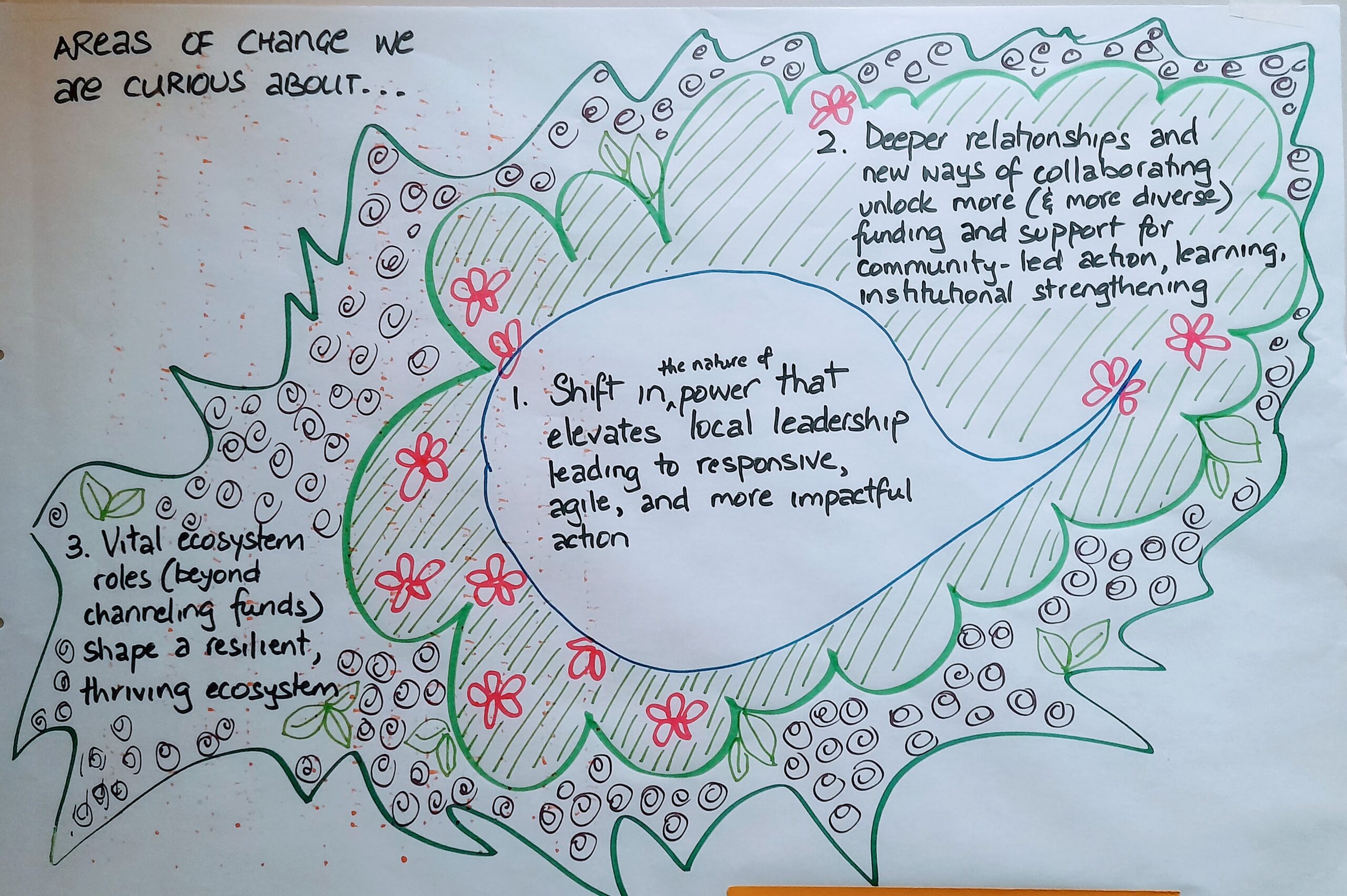
Philanthropy Dialogues and WINGS initiated the 2026 Action Learning Lab, a collaborative space where actors across the philanthropic ecosystem experiment together with new approaches to power, trust, and resourcing, in April 2026.
The Lab is a platform to accompany and support collaborative experimentation, learning and change-making among different actors in the philanthropy ecosystem. The Lab is designed for organisations already navigating real questions about how to support community-led climate and environmental action in more equitable and effective ways.
The Lab is guided by one central question: For communities to exercise greater leadership and agency, what evolutions in philanthropic practice, resourcing, and ways of working are necessary?
The Gathering
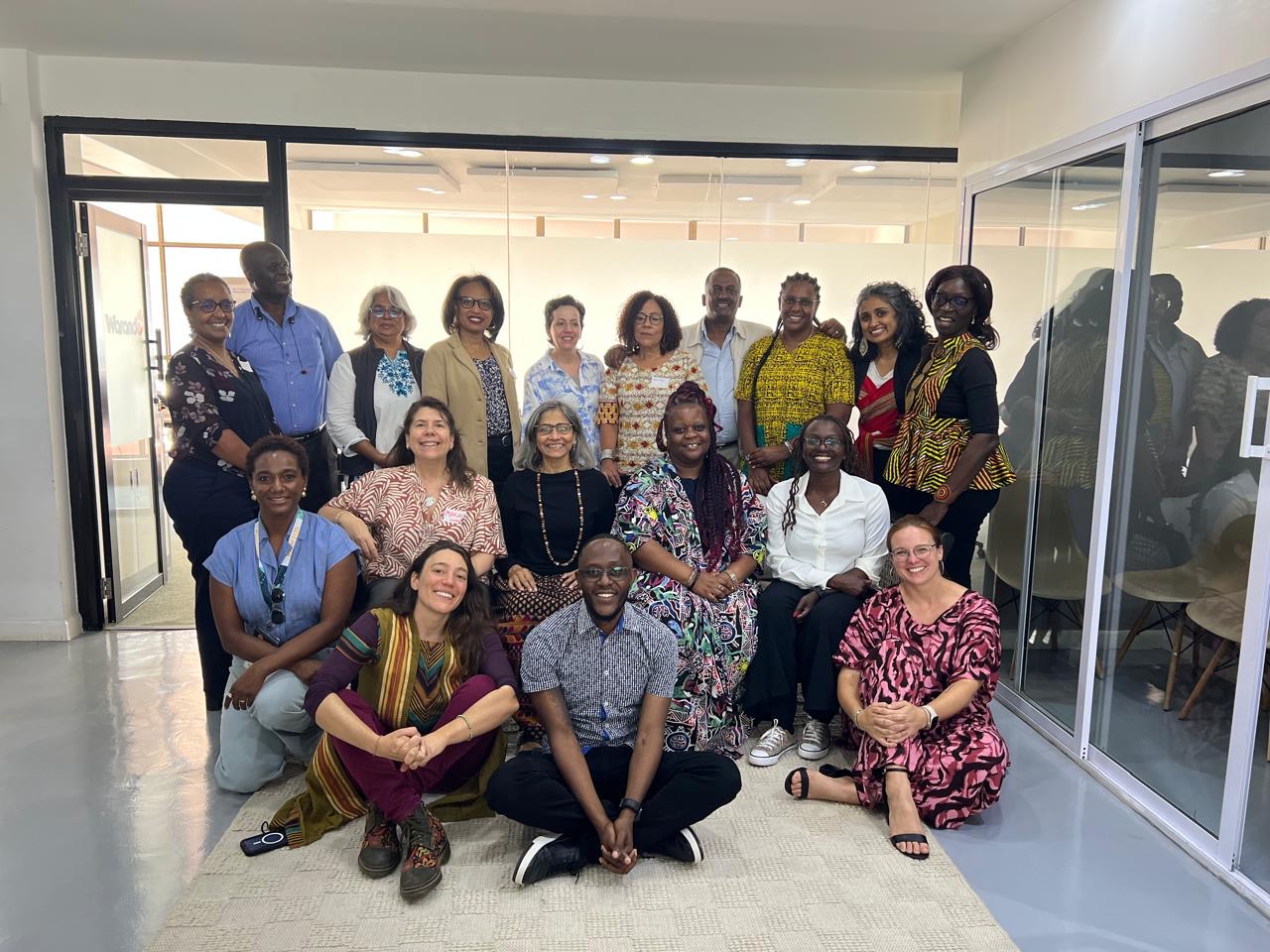
After working together online since 2022, we were able to meet in-person, for the first time, in December 2025 in Nairobi, Kenya.
You can imagine the joy, the excitement and the tears that the Gathering witnessed with 8 women from 4 continents.
For 4 days we locked ourselves in a beautiful, family-run hotel, a little removed from Central Nairobi and worked hard. We needed to get to know each other, we needed to work on our future vision, we needed to get into the detailing of the project that we have committed to with WINGS and supported by Oak Foundation.
On Day 5 of the Gathering, we met at the office of Warande Advisory to listen to other actors in the eco-system in Nairobi, Kenya and East Africa. The conversations reinforced our belief in Philanthropy Dialogues.
The Study that brought us together
The philanthropic landscapes in Africa, Asia, the Caribbean and Latin America are rich and diverse, with deep cultural complexity infused by local knowledge.
In 2023 we engaged along with others in two studies to examine the evolving landscape of philanthropy in the Global South. These studies funded by Oak Foundation, aimed to understand the dynamics, cultures, and attitudes within the philanthropic sector. The reports given here delve into the emerging trends and transformative practices shaping the philanthropic sector and identify a new set of potential partners based in the global majority that can accelerate local funding.
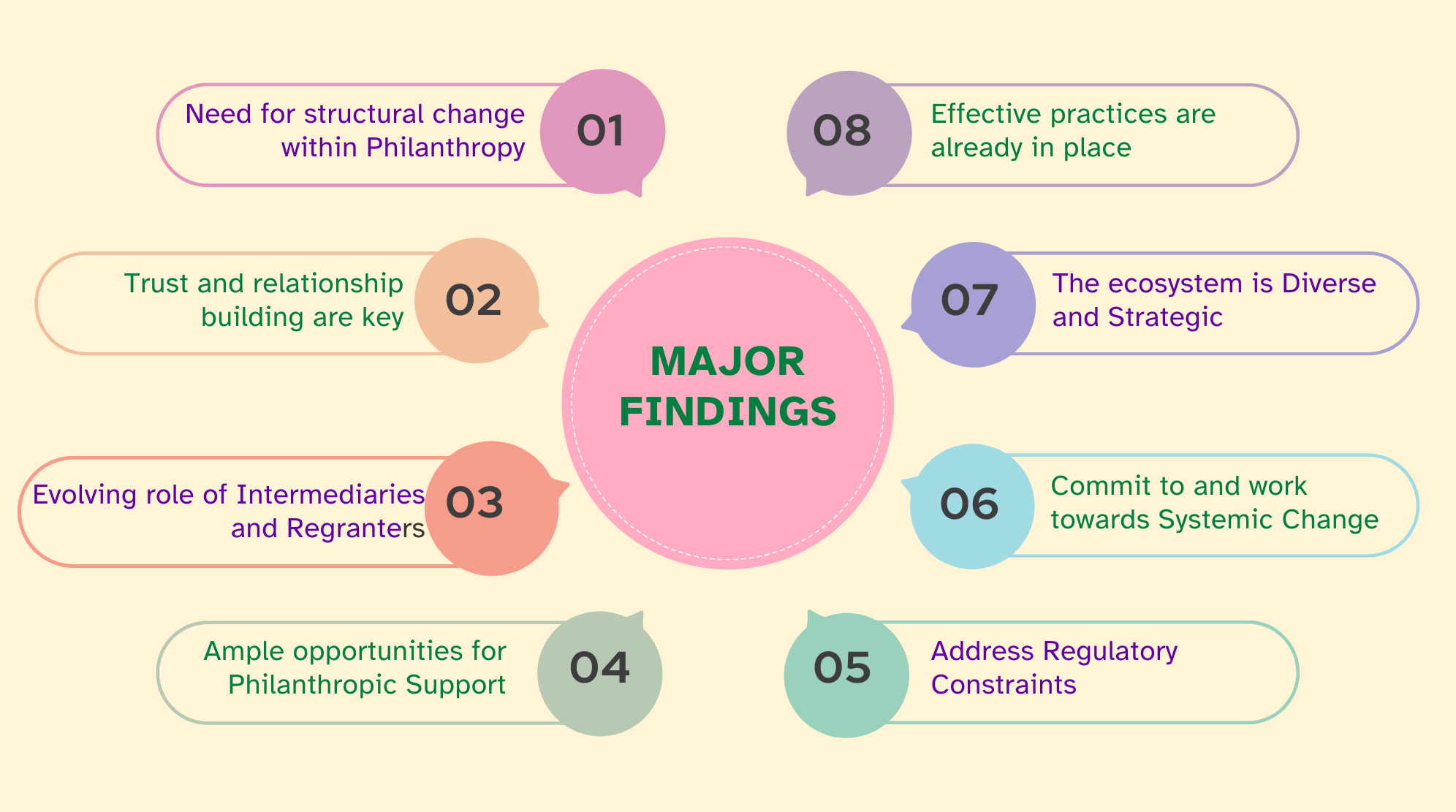
Major Findings
Learning Series
Potential Intermediaries
Interviews With Community Leaders And Other Relevant Actors
Experienced Consultants Across Regions
The studies identify potential intermediaries capable of distributing funds to grassroots organisations with agility and cultural sensitivity. Key findings highlight the importance of local knowledge and community-centric approaches.
Promising Practices and Examples
Recruitment And Training
Intermediaries should hire diverse, social justice-oriented local leaders to enhance strategic decision-making and legitimacy. Examples include Fondo Semillas and Global Greengrants.
Navigating Legal and Fiscal Barriers
Intermediaries must understand and work within legal frameworks to support community groups. Hispanics in Philanthropy exemplifies this with its trust-based due diligence system.
Innovative Granting Procedures
Effective intermediaries use public calls, participatory grant making, and context-based due diligence. Semillas and Resolve in Hong Kong are leading examples of these practices. Trust Africa with a pan-African portfolio is pioneering these approaches.
Support and Connection
Intermediaries should invest in relationship-building, capacity strengthening, and collective problem-solving. Examples include the National Foundation for India, the Samdhana Institute, Southern Africa Trust, and Pan Africa Climate Justice Alliance.
Attracting New Donors
Ensuring sustainability by expanding donor networks, conducting impact assessments, and demonstrating transparency. Yayasan Kurawal and ARROW are notable for these strategies.
Incubating New Intermediaries
Supporting the creation and growth of new intermediaries in various regions and themes, leveraging existing successful models like Women Win and the Keystone Foundation.
Asia-Latam Study
Part 1
Executive Summary, Major Findings, Recommendations, Horizons of Change, Methodology & Glossary
Part 2
Regional Trends, New Framework of Qualities to Assess Partners and Self-Assessment Tool for Intermediaries
Part 3
Part 4
Demonstrated Cases of Partners, Intermediaries, Networks and Organisations and findings from piloting a self-assessment tool
Africa Study
Part 5
Executive report: Proposals to strengthen localisation, identify intermediaries and transform funding systems
Part 6
Assessing the philanthropic landscape in Africa to strengthen localisation, identify intermediaries and transform grantmaking
The Team
Please click on an image below to go to the LinkedIn page
Andrea Rodericks
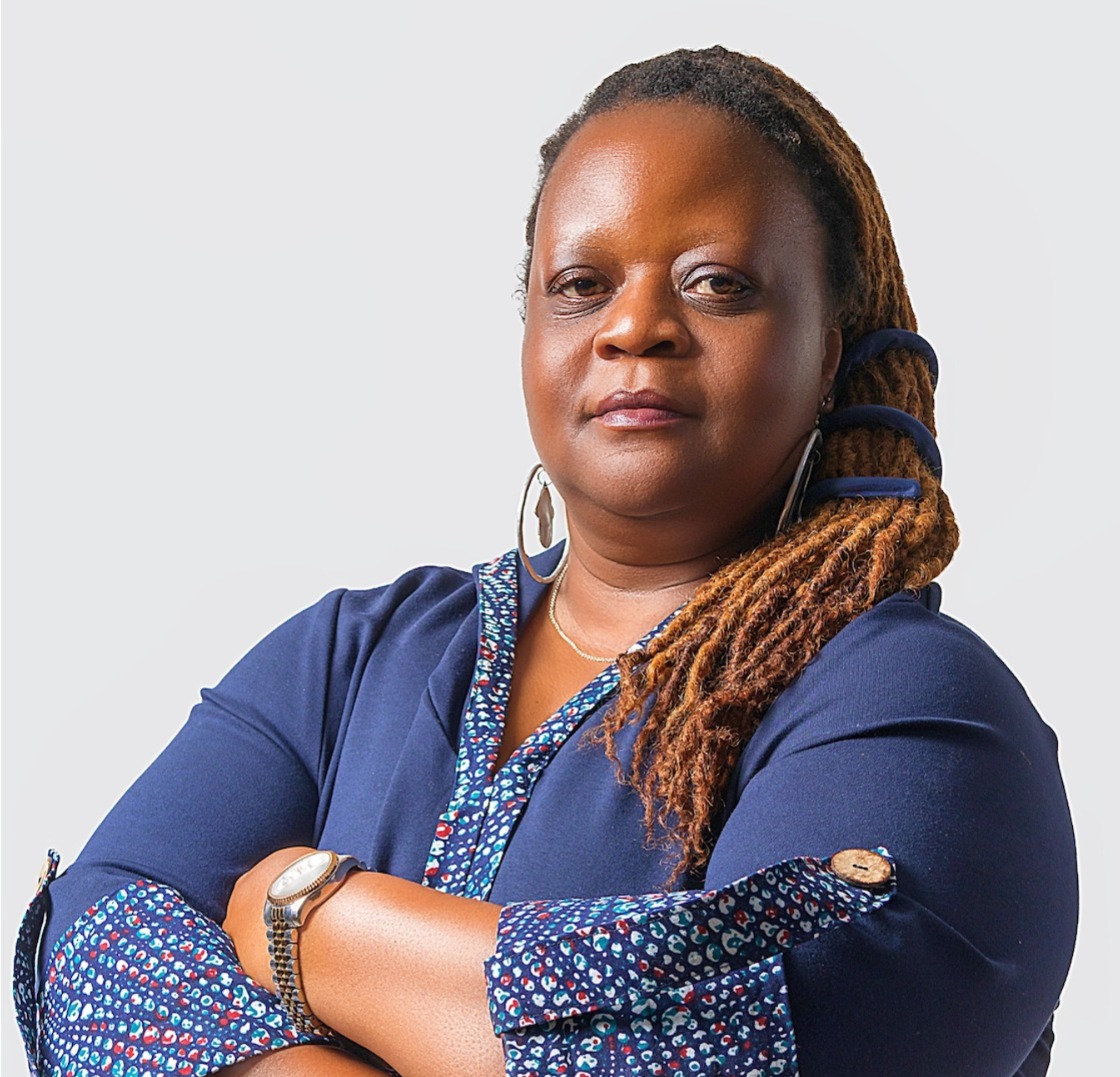
Chilande Kuloba-Warria
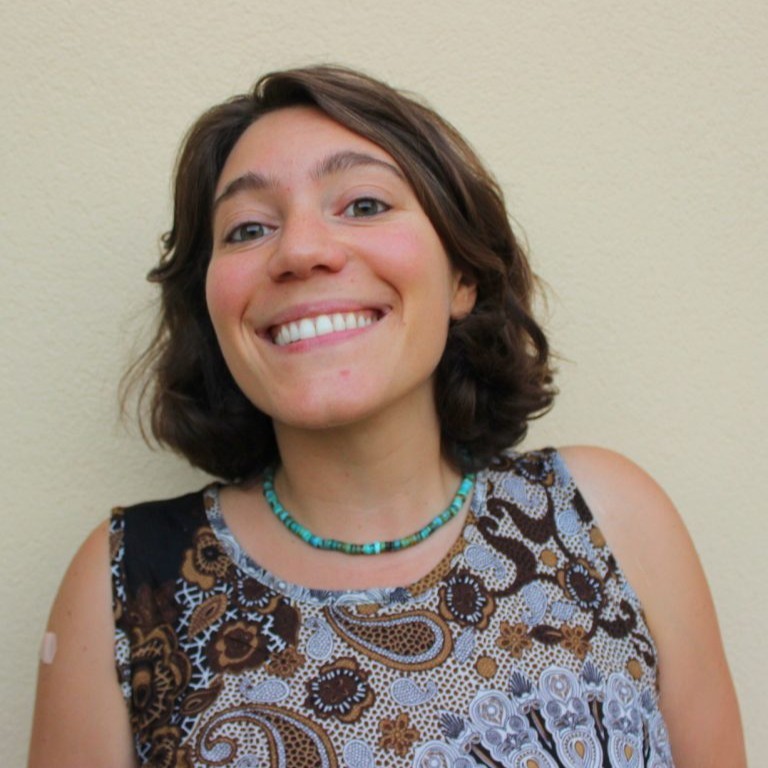
Gioel Gioacchino (PhD)
Gouthami

Jennifer Mohamed-Katerere
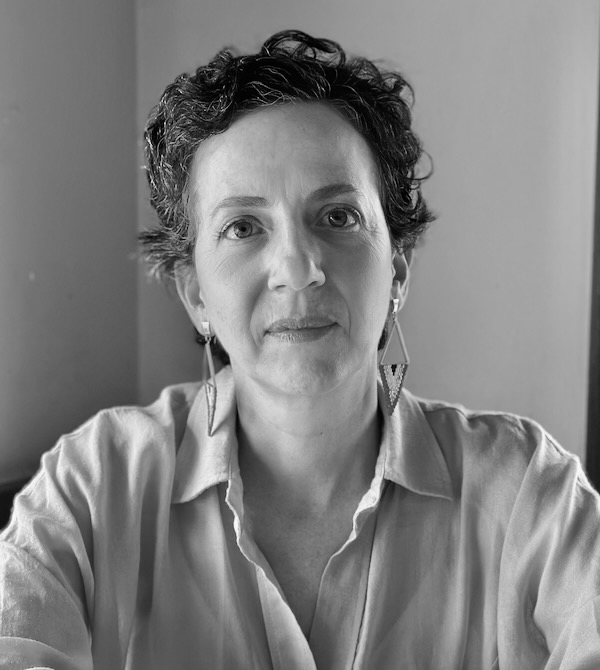
Lina Villa
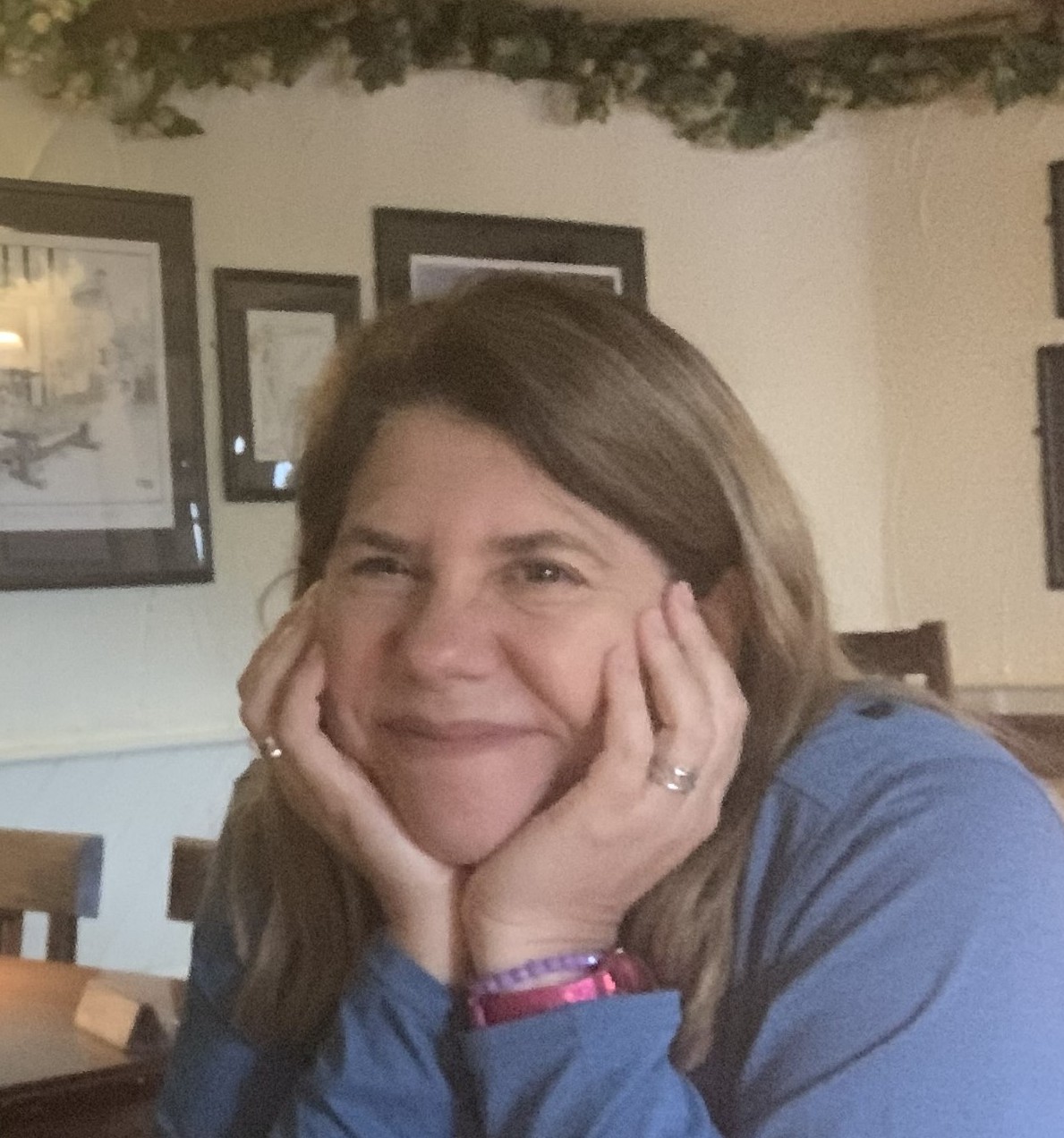
Mariana Lomé
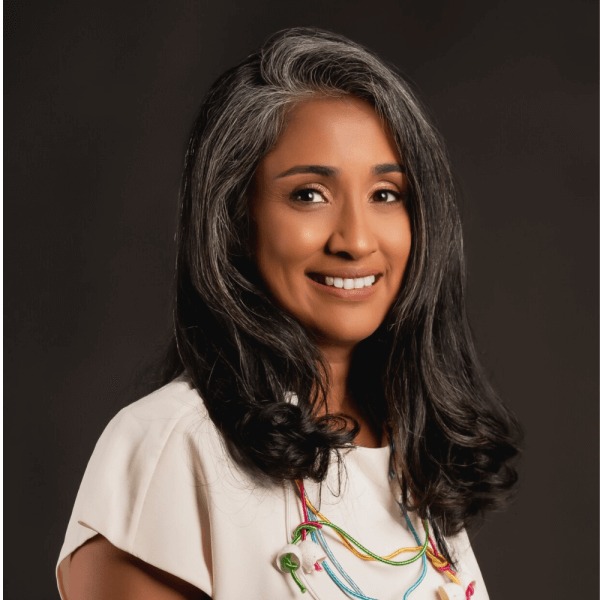
Sumitra Pasupathy

Interested in getting more involved with a community of practice to develop capacities and exchange knowledge on how to shift power and keep the dialogue going in the philanthropy ecosystem?
Leave your email below and we will keep you posted on upcoming events…
Founding Partners